
Returning home after a stroke is an important milestone, but the home itself can present new challenges. Weakness on one side of the body, balance problems and fatigue can turn everyday spaces into obstacles. Many families arrange in-home therapy so that recovery can continue in familiar surroundings, and the layout of each room plays a large part in how safely and comfortably that recovery unfolds. Walking through the home room by room helps families spot risks and make changes before they become problems.
Entrance and Corridors
The route in and out of the home is used every day, often by someone who is still unsteady on their feet. When assessing entrances and corridors, families can check the following:
- Raised door thresholds or kerbs that may cause tripping or block a wheelchair.
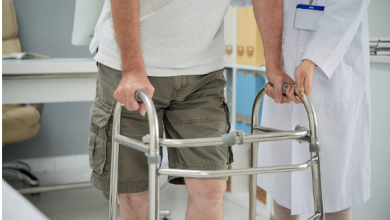
- Corridor width, especially if a walking frame or wheelchair is needed.
- Shoe racks, umbrellas or bags left along walkways.
- Lighting at the entrance and along corridors, including at night.
- A stable place to sit while putting on or removing shoes.
Living Room
The living room is where many people spend a large part of their day during recovery. A practical setup usually considers points such as these:
- Chairs and sofas of a height that make standing up easier, preferably with firm armrests.
- Clear walking paths between furniture, with loose rugs and cables removed.
- Frequently used items, such as the phone, remote control and water, placed within easy reach on the stronger side.
- Enough open floor space for exercises recommended by the therapist.
- Sturdy furniture along the main walking route that can be held for support.
Bedroom
Getting in and out of bed safely is one of the first goals after a stroke. Physiotherapy for stroke patients at home often involves practising bed transfers in the actual bedroom, so its layout deserves careful thought. Families may want to check these details:
- Bed height, which should allow the person to sit with feet flat on the floor.
- Space on the side of the bed that suits the person’s stronger side for getting up.
- A bedside lamp or night light that can be switched on easily.
- A bed rail or grab handle, if recommended by the therapist.
- A commode or urinal nearby for night-time use, if walking to the toilet is not yet safe.
- Clothes and daily items stored where they can be reached without bending low.
Bathroom
The bathroom is one of the most common places for falls because of wet, hard surfaces and tight spaces. Useful adjustments often include these:
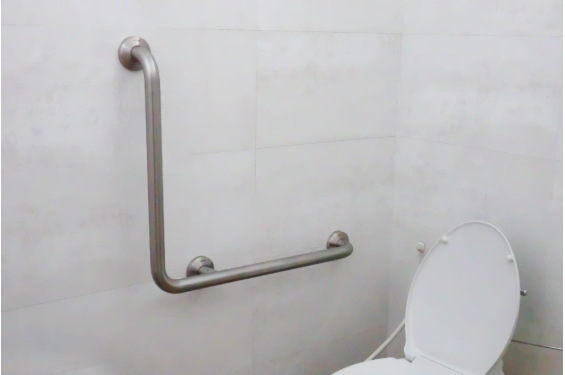
- Grab bars beside the toilet and inside the shower area.
- Non-slip mats or flooring on wet surfaces.
- A shower chair or bench so the person can sit while bathing.
- A raised toilet seat if the existing toilet is low.
- A handheld showerhead that can be used while seated.
- Taps and toiletries placed on the stronger side where possible.
Kitchen and Dining Area
As recovery progresses, many people want to return to simple tasks such as making a drink or preparing a light meal. To support this safely, families can look at these areas:
- Commonly used items stored between waist and shoulder height.
- A stable chair at the dining table with space for a walking aid nearby.
- Lightweight cups, plates and utensils that are easier to hold with one hand.
- Clear countertops that leave room to rest an arm or lean for support.
- A stool or perching seat for tasks that involve standing for more than a few minutes.
Adapting the Home as Recovery Progresses
A home set up for stroke rehabilitation does not need to change all at once, and needs often shift as strength and confidence return. Asking the therapist to review the home during early sessions can help families prioritise the most urgent changes and adjust the setup step by step as recovery continues.
Preparing your home for a family member’s stroke recovery? Speak with our team at The Home Physio about arranging in-home therapy sessions.